
Contents
- 🏯 Introduction to the Catholic Church
- 🌎 Global Presence and Demographics
- 🕊️ History and Development of the Church
- 👥 Autonomous Churches and Governance
- 🌍 Missions and Evangelization
- 📚 Role in Western Civilization
- 🤝 Catholic Communities and Immigration
- 📊 Demographic Shifts and Secularization
- 👑 Leadership and Hierarchy
- 🌈 Cultural and Social Impact
- 🕊️ Challenges and Controversies
- 🔮 Future Prospects and Directions
- Frequently Asked Questions
- Related Topics
Overview
The Catholic Church, with over 1.3 billion adherents worldwide, is one of the oldest and largest institutions in the world, spanning nearly 2,000 years. Founded by Jesus Christ and led by the Pope, the Church has a rich history, from the Crusades to the Reformation, and has played a significant role in shaping Western culture. However, the Church has also been embroiled in controversies, including the priest sex abuse scandal, which has led to widespread criticism and calls for reform. The Church's stance on issues like birth control, LGBTQ+ rights, and women's ordination has also sparked debate. With a Vibe score of 60, the Catholic Church remains a complex and multifaceted institution, with both devoted followers and vocal critics. As the Church looks to the future, it must navigate these challenges and adapt to a changing world, with influential figures like Pope Francis pushing for reform and greater inclusivity.
🏯 Introduction to the Catholic Church
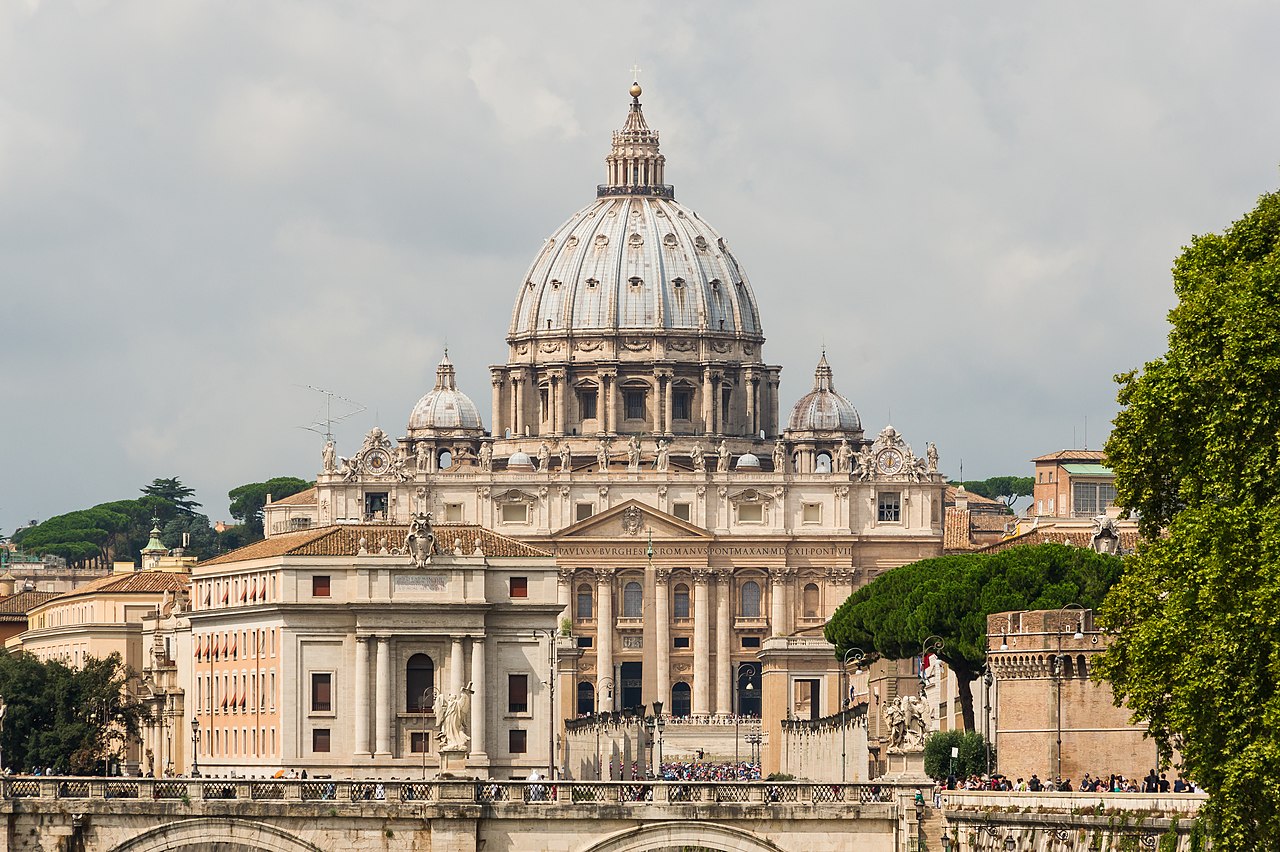
The Catholic Church, commonly referred to as the Roman Catholic Church, is the largest Christian church, with an estimated 1.28 to 1.41 billion baptized members worldwide as of 2026. This vast institution has a rich history, spanning over two millennia, and has played a significant role in shaping Western civilization. The church's global presence is a testament to its enduring influence, with Catholic communities present in almost every country. The Vatican City, an independent city-state located within Rome, serves as the central government of the church. The Catholic Church's complex structure and governance are overseen by the Pope, who is the spiritual leader of the worldwide Catholic Church.
🌎 Global Presence and Demographics
The Catholic Church has a significant presence in the Global South, with the majority of Catholics living in Africa, Asia, and Latin America. This demographic shift is a result of rapid growth in these regions, as well as secularization in parts of Europe and North America. The church's global presence is also reflected in its Missions and evangelization efforts, which have been instrumental in spreading the Catholic faith to all corners of the globe. The Latin American region, in particular, has a large Catholic population, with many countries having a strong Catholic tradition. The African Catholic Church is also growing rapidly, with many African countries having a significant Catholic population.
🕊️ History and Development of the Church
The Catholic Church has a long and complex history, spanning over two millennia. The church's development is closely tied to the history of Christianity, with the Catholic Church playing a significant role in shaping Western civilization. The church's early history is marked by the Apostolic Age, during which the apostles of Jesus Christ spread the Christian faith throughout the Mediterranean region. The Middle Ages saw the rise of the Catholic Church as a dominant force in Europe, with the church playing a significant role in the development of art, architecture, and literature. The Renaissance and Reformation periods saw significant challenges to the church's authority, but the church continued to evolve and adapt to changing circumstances.
👥 Autonomous Churches and Governance
The Catholic Church is composed of 24 autonomous churches, including the Latin Church and 23 Eastern Catholic Churches. These churches are organized into nearly 3,500 dioceses and eparchies, which are governed by bishops. The church's governance structure is complex, with the Pope serving as the spiritual leader of the worldwide Catholic Church. The College of Cardinals plays a significant role in the church's governance, with cardinals serving as advisors to the Pope and electing a new Pope upon the death or resignation of the previous one. The Synod of Bishops is another important governing body, which brings together bishops from around the world to discuss important issues facing the church.
🌍 Missions and Evangelization
The Catholic Church has a long history of Missions and evangelization, with the church sending missionaries to all corners of the globe to spread the Catholic faith. The church's mission efforts have been instrumental in establishing Catholic communities in Africa, Asia, and Latin America. The Society of Jesus, also known as the Jesuits, is a prominent Catholic order that has played a significant role in the church's mission efforts. The Franciscans and Dominicans are other notable Catholic orders that have been involved in mission work. The church's mission efforts have also been supported by numerous Catholic charities and organizations, which provide humanitarian aid and support to communities around the world.
📚 Role in Western Civilization
The Catholic Church has had a profound impact on Western civilization, with the church playing a significant role in the development of art, architecture, literature, and science. The church's influence can be seen in the many cathedrals and churches that dot the European landscape, as well as in the numerous universities and hospitals that were established by the church. The Renaissance period saw a resurgence of interest in classical learning, with many Catholic scholars and artists making significant contributions to the development of Western culture. The Scientific Revolution also saw significant contributions from Catholic scientists, such as Galileo Galilei and Isaac Newton.
🤝 Catholic Communities and Immigration
Catholic communities are present worldwide, with many Catholics living in diaspora communities. The church's global presence is a testament to the enduring influence of Catholicism, with Catholic communities playing an important role in shaping local cultures and societies. The Catholic diaspora has also been shaped by immigration and migration, with many Catholics moving to new countries in search of economic opportunities or fleeing persecution. The church's response to these demographic shifts has been to establish new dioceses and eparchies, as well as to provide support to Catholic communities through various Catholic charities and organizations.
📊 Demographic Shifts and Secularization
The Catholic Church has experienced significant demographic shifts in recent years, with the majority of Catholics now living in the Global South. This shift is a result of rapid growth in Africa, Asia, and Latin America, as well as secularization in parts of Europe and North America. The church's response to these demographic shifts has been to establish new dioceses and eparchies, as well as to provide support to Catholic communities through various Catholic charities and organizations. The church has also sought to engage with the challenges of modernization and globalization, with many Catholic leaders calling for a more inclusive and diverse church.
👑 Leadership and Hierarchy
The Catholic Church is led by the Pope, who serves as the spiritual leader of the worldwide Catholic Church. The Pope is advised by the College of Cardinals, which is composed of senior bishops who have been appointed by the Pope. The Synod of Bishops is another important governing body, which brings together bishops from around the world to discuss important issues facing the church. The church's governance structure is complex, with the Latin Church and Eastern Catholic Churches having their own distinct traditions and practices. The Canon Law of the Catholic Church provides a framework for the church's governance and discipline.
🕊️ Challenges and Controversies
The Catholic Church has faced numerous challenges and controversies throughout its history, including the Reformation and the Counter-Reformation. The church has also been criticized for its handling of clerical abuse and its response to secularization and modernization. The church's teachings on issues such as birth control and abortion have also been the subject of controversy and debate. Despite these challenges, the church remains a vibrant and dynamic institution, with many Catholics around the world working to build a more just and compassionate society.
🔮 Future Prospects and Directions
As the Catholic Church looks to the future, it faces numerous challenges and opportunities. The church must navigate the complexities of a rapidly changing world, while remaining true to its core teachings and values. The church's response to globalization and modernization will be critical, as will its efforts to engage with the challenges of secularization and atheism. The church must also continue to promote social justice and human rights, while advocating for the rights of the poor and marginalized. As the church looks to the future, it is clear that it will remain a vital and dynamic institution, shaping the lives of millions of people around the world.
Key Facts
- Year
- 33
- Origin
- Jerusalem, Israel
- Category
- Religion
- Type
- Religious Institution
Frequently Asked Questions
What is the largest Christian church in the world?
The Catholic Church is the largest Christian church in the world, with an estimated 1.28 to 1.41 billion baptized members worldwide as of 2026. The church's global presence is a testament to its enduring influence, with Catholic communities present in almost every country. The church's complex structure and governance are overseen by the Pope, who is the spiritual leader of the worldwide Catholic Church. The Vatican City, an independent city-state located within Rome, serves as the central government of the church. The Catholic Church's influence can be seen in the many cathedrals and churches that dot the European landscape, as well as in the numerous universities and hospitals that were established by the church.
What is the role of the Pope in the Catholic Church?
The Pope serves as the spiritual leader of the worldwide Catholic Church, overseeing the church's complex structure and governance. The Pope is advised by the College of Cardinals, which is composed of senior bishops who have been appointed by the Pope. The Synod of Bishops is another important governing body, which brings together bishops from around the world to discuss important issues facing the church. The Pope's role is critical in shaping the church's teachings and practices, as well as in promoting social justice and human rights. The Pope's influence extends beyond the Catholic Church, with many world leaders and organizations seeking the Pope's counsel and guidance on matters of global importance.
What is the difference between the Latin Church and the Eastern Catholic Churches?
The Latin Church and the Eastern Catholic Churches are two distinct traditions within the Catholic Church. The Latin Church is the largest of the two, with the majority of Catholics belonging to this tradition. The Eastern Catholic Churches, on the other hand, are a group of churches that are in full communion with the Pope and the Latin Church, but have their own distinct liturgical and disciplinary traditions. The Eastern Catholic Churches are found primarily in Eastern Europe, the Middle East, and India, and have a rich cultural and spiritual heritage. The Code of Canons of the Eastern Catholic Churches provides a framework for the governance and discipline of the Eastern Catholic Churches.
What is the Catholic Church's stance on social justice?
The Catholic Church has a long tradition of promoting social justice and advocating for the rights of the poor and marginalized. The church's teachings on social justice are rooted in its commitment to the dignity and worth of every human being, and its belief in the importance of promoting the common good. The church's social justice efforts are focused on a range of issues, including poverty, hunger, homelessness, and human trafficking. The church's social justice teachings are outlined in a number of documents, including the Compendium of the Social Doctrine of the Church. The church's social justice efforts are also supported by numerous Catholic charities and organizations, which provide humanitarian aid and support to communities around the world.
What is the Catholic Church's stance on abortion?
The Catholic Church teaches that abortion is morally equivalent to taking an innocent human life, and is therefore always wrong. The church's teachings on abortion are rooted in its belief in the sanctity of human life and the importance of protecting the dignity and worth of every human being. The church's stance on abortion is outlined in a number of documents, including the Catechism of the Catholic Church. The church's teachings on abortion are also reflected in its opposition to euthanasia and assisted suicide, which the church sees as threats to the dignity and worth of human life.
What is the Catholic Church's stance on birth control?
The Catholic Church teaches that birth control is morally acceptable in certain circumstances, but that it should not be used as a means of preventing the transmission of life. The church's teachings on birth control are rooted in its belief in the importance of promoting the dignity and worth of every human being, and its commitment to the sanctity of human life. The church's stance on birth control is outlined in a number of documents, including the Humanae Vitae encyclical. The church's teachings on birth control are also reflected in its support for natural family planning methods, which the church sees as a morally acceptable means of regulating fertility.
What is the Catholic Church's stance on same-sex marriage?
The Catholic Church teaches that same-sex marriage is not morally equivalent to heterosexual marriage, and that it is not a valid means of expressing love and commitment. The church's teachings on same-sex marriage are rooted in its belief in the importance of promoting the dignity and worth of every human being, and its commitment to the sanctity of human life. The church's stance on same-sex marriage is outlined in a number of documents, including the Catechism of the Catholic Church. The church's teachings on same-sex marriage are also reflected in its opposition to gay rights and LGBT rights, which the church sees as threats to the dignity and worth of human life.